How to Make Custom Storage Bins That Will Sell Online
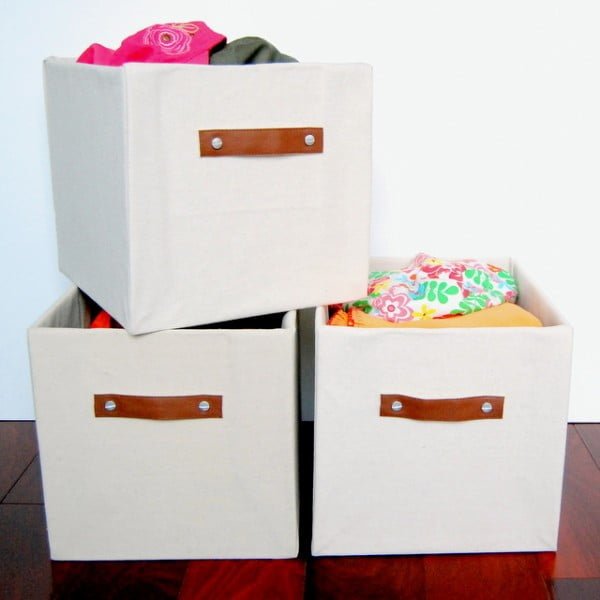
Crafting a Successful Online Venture: Creating and Selling Custom Storage Bins
In today's digital marketplace, entrepreneurship thrives on innovation and creativity. One avenue for success lies in crafting unique and personalized products that address consumer needs and desires. Custom storage bins represent a compelling opportunity for online sellers, offering a blend of practicality and aesthetics that can capture the attention of a diverse clientele. This article will provide a comprehensive guide on how to design, manufacture, and market custom storage bins that resonate with your target audience, fostering a lucrative online business.
Identifying Your Niche and Target Market
The foundation of any successful business venture lies in identifying a distinct niche and defining your target market. This involves understanding the specific needs, preferences, and pain points of your potential customers. When it comes to custom storage bins, consider the following questions:
Who are your ideal customers?
Are you targeting homeowners looking for stylish and functional storage solutions for their living spaces, or perhaps professional organizers seeking practical tools for client projects? Defining your customer base will inform your design choices, material selections, and marketing strategies.
What are their specific needs and preferences?
Do they prioritize organization, aesthetics, durability, or a combination of these factors? Are there any specific themes, styles, or colors that resonate with them? By understanding your customers' priorities, you can tailor your offerings to meet their expectations.
What are the unique selling points (USPs) of your custom storage bins?
What sets your products apart from generic storage solutions available in the market? Do you offer personalized customization options, eco-friendly materials, or innovative design features? Highlighting your USPs in your marketing materials will attract customers seeking something truly unique.
Designing and Prototyping Custom Storage Bins
Once you've established your niche and target market, it's time to translate your ideas into tangible products. Design plays a crucial role in creating custom storage bins that stand out from the competition. This process involves:
Conceptualization and Sketching
Begin by brainstorming ideas and sketching initial concepts. Consider various shapes, sizes, materials, and functionalities to explore different possibilities. Experiment with different design elements, such as handles, dividers, labels, and closures, to optimize both aesthetics and practicality. Software like Adobe Illustrator or Sketch can assist in creating digital prototypes.
Material Selection
The choice of materials is paramount, influencing both the functionality and longevity of your storage bins. Popular options include:
- Wood: Offers a natural, rustic look and can be customized with various finishes and stains. It is relatively durable and lends itself to intricate designs.
- Metal: Provides a sleek, modern aesthetic and is highly durable. Consider using materials like aluminum, steel, or tin depending on your desired look and weight.
- Plastic: Lightweight, affordable, and available in diverse colors and finishes. It's often a practical choice for outdoor or high-moisture environments.
- Fabric: Provides a soft, pliable option for bins that can be folded or stacked. Consider using canvas, linen, or cotton depending on your design and intended use.
Prototyping and Testing
Once you've finalized your design, create a physical prototype using your chosen materials. This allows you to evaluate the functionality, ergonomics, and overall aesthetics of your product. Seek feedback from potential customers or industry professionals to identify any areas for improvement. Testing can involve:
- Durability testing: Assessing the strength and resilience of the bin under various stress conditions.
- Ease of use: Evaluating how easy it is to assemble, open, close, and clean the bin.
- Aesthetics and functionality: Gauging the visual appeal and practical effectiveness of the bin's design.
Manufacturing and Production
Once you are satisfied with your prototype, it's time to transition to manufacturing. This phase involves:
Choosing a Manufacturing Partner
Depending on your production scale and budget, you have several options:
- DIY approach: If you have woodworking or crafting skills, you can potentially manufacture the bins yourself, especially for smaller production runs.
- Local workshops and artisans: Partnering with local craftspeople can offer a personalized touch and support local businesses.
- Large-scale manufacturers: For larger production volumes, collaborating with manufacturers specializing in custom storage solutions can provide economies of scale and streamlined production processes.
Establishing Production Processes
Collaborate with your manufacturing partner to establish clear production procedures, ensuring quality control and consistent product quality. This includes:
- Material sourcing: Securing reliable suppliers for your chosen materials, ensuring they meet your quality standards.
- Production schedule: Establishing a timeline for each stage of the production process, including lead times for material sourcing, manufacturing, and assembly.
- Quality control: Implementing rigorous inspection procedures to ensure that all bins meet your standards of craftsmanship and functionality.
Pricing and Profitability
Accurate pricing is critical for profitability. Consider these factors when determining the cost of your custom storage bins:
Material Costs
Factor in the cost of materials, including wood, metal, plastic, fabric, adhesives, paints, and any other components.
Manufacturing Costs
Account for labor costs, manufacturing equipment, overhead expenses, and any additional fees associated with production.
Marketing and Shipping Costs
Include the costs of advertising, website maintenance, packaging, and shipping in your pricing structure.
Profit Margin
Establish a realistic profit margin that allows you to cover operational expenses, reinvest in your business, and generate a reasonable return on your investment.
Marketing and Sales
Once your custom storage bins are ready for sale, it's time to connect with your target audience. Effective marketing strategies are crucial for generating awareness and driving sales:
Online Marketplaces
Platforms like Etsy, Amazon Handmade, and Shopify offer readily accessible marketplaces to connect with potential customers globally. Optimize your product listings with high-quality photographs, detailed descriptions, and compelling keywords to enhance visibility.
Social Media Marketing
Utilize platforms like Instagram, Pinterest, and Facebook to showcase your custom storage bins. Create visually appealing content featuring your products in various settings and highlighting their unique features. Run targeted ads to reach your desired customer demographic.
Content Marketing
Develop blog posts, articles, and videos that provide value to your target audience, sharing tips on organization, home decor, and the benefits of custom storage solutions. This content can drive traffic to your website and build trust with potential customers.
Website and E-commerce Platform
Create a professional website that showcases your custom storage bins in an engaging and informative way. Integrate an e-commerce platform for seamless online ordering and checkout. Ensure your website is mobile-responsive, providing an optimal experience for customers browsing on different devices.
Building a Brand Identity
A strong brand identity helps you stand out in a crowded market. Consider these elements:
Brand Name and Logo
Choose a memorable and relevant name that reflects the essence of your custom storage bins. Design a logo that visually represents your brand identity and evokes the desired emotions in your target audience.
Brand Values and Mission
Articulate your core values and mission statement, outlining your commitment to quality, craftsmanship, and customer satisfaction.
Brand Voice and Tone
Develop a consistent brand voice and tone across all your marketing materials, reflecting your personality and engaging your target audience.
Customer Service and Feedback
Exceptional customer service is key to building long-term relationships.
- Respond promptly to inquiries: Address customer queries and concerns promptly and professionally.
- Provide clear and concise information: Offer detailed product descriptions and specifications, as well as transparent shipping policies.
- Go the extra mile: Offer personalized recommendations, address special requests, and strive to exceed customer expectations.
- Seek feedback: Solicit customer feedback to identify areas for improvement and enhance the customer experience.
Conclusion
Creating and selling custom storage bins online requires a combination of creativity, craftsmanship, and effective marketing. By identifying your niche, designing unique products, establishing reliable manufacturing processes, and engaging in targeted marketing, you can build a successful online business that meets the needs of discerning customers. Remember to prioritize customer service, gather feedback, and continuously adapt your strategies to navigate the evolving digital marketplace and cultivate lasting success.


Comments
Post a Comment