How to Make Wooden Bird Feeders That Are Perfect for Bird Lovers and Gardeners
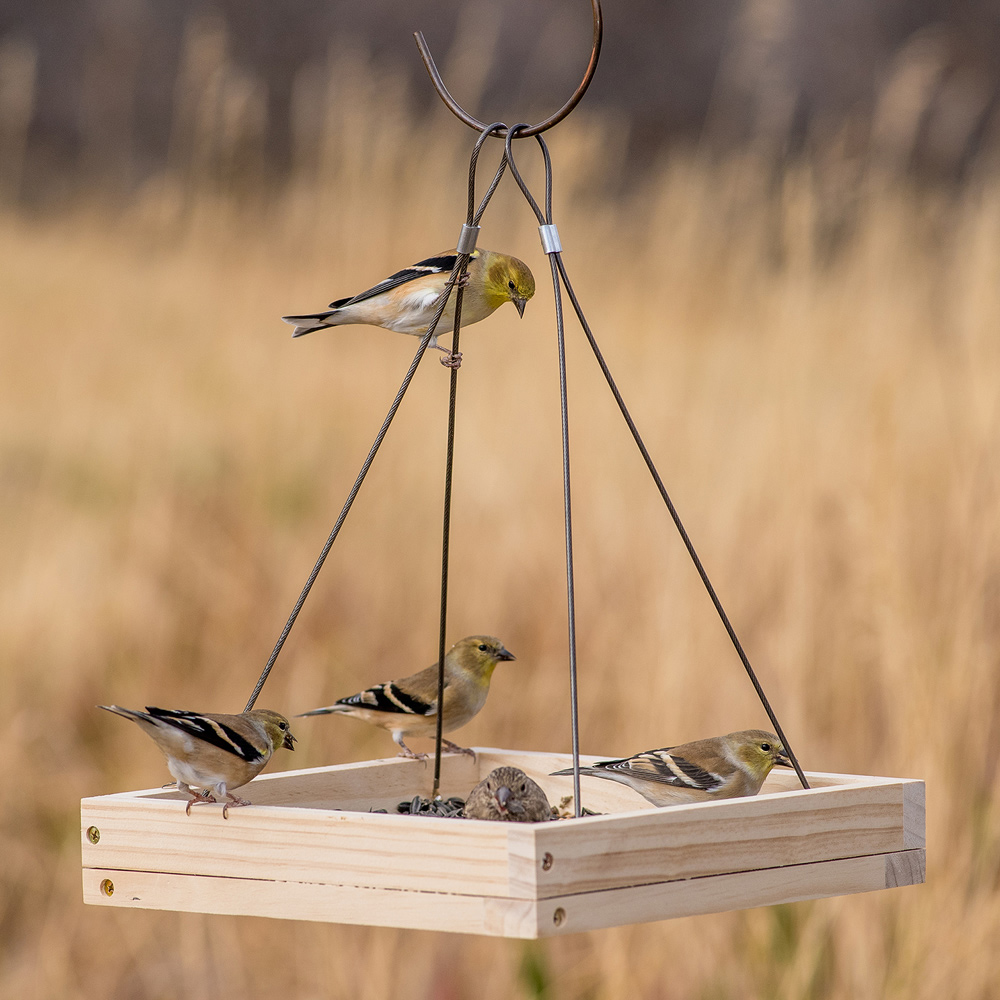
Craft a Sanctuary: Building Wooden Bird Feeders for Your Backyard
Imagine waking up to the symphony of birdsong, a vibrant chorus welcoming the dawn. This can be your reality with a carefully crafted wooden bird feeder. Not only will it provide a nourishing haven for feathered friends, but it will also become a charming focal point in your garden, a testament to your love for nature.
Building a wooden bird feeder is a rewarding DIY project, even for those with limited woodworking experience. With a few essential tools and a dash of creativity, you can design a feeder that complements your garden's aesthetic and attracts a diverse variety of avian guests. Here's a comprehensive guide to building your very own bird feeder.
Choosing Your Bird Feeder Design
The first step is to envision the type of feeder that suits your needs and preferences. Consider factors like:
Size and Capacity
A smaller feeder may be suitable for a single family, while a larger one can cater to larger flocks. Think about the types of birds you want to attract and their feeding habits.
Shape and Style
Choose a shape that complements your garden's style, from classic rectangular designs to whimsical birdhouses. You can even experiment with different materials like recycled wood or decorative elements like stained glass.
Placement and Accessibility
Think about the location of your feeder. Will it be on a tree, a pole, or a window ledge? Ensure it is easily accessible for birds and protected from predators.
Materials and Tools
Gather the necessary tools and materials to get started:
Materials
- Wood: Choose a weather-resistant wood like cedar, redwood, or pressure-treated pine.
- Screws: Use wood screws that are long enough to securely fasten the feeder.
- Birdseed: Select a blend that attracts the birds you want to see.
- Optional materials: These can include decorative trim, paint, stain, hooks, and a perch for birds to land on.
Tools
- Saw: Use a circular saw, jigsaw, or handsaw to cut wood to size.
- Drill: To make pilot holes and secure screws.
- Screwdriver: To fasten the screws.
- Measuring tape: To ensure accurate dimensions.
- Pencil: To mark and transfer measurements.
- Sandpaper: To smooth rough edges.
- Safety glasses: To protect your eyes while working.
Construction Steps
Now, follow these steps to assemble your feeder:
Step 1: Cut the Wood
Using your chosen design plan, cut the wood pieces to size with your saw. Remember to make allowance for joints and screw length.
Step 2: Construct the Base
Assemble the base of your feeder by joining the bottom and side panels together with screws. Ensure the base is strong and stable.
Step 3: Create the Sides and Roof
Build the sides and roof panels according to your design, paying attention to angles and how they will connect to the base.
Step 4: Add the Birdseed Hopper
Create the hopper where you will place the birdseed. This can be a simple trough or a more intricate design depending on your preference.
Step 5: Secure the Roof
Attach the roof to the feeder's sides, ensuring it is watertight. You can add hinges for easy access to fill the feeder.
Step 6: Add Finishing Touches
Optional: Add a perch for birds to land on, decorative trim, paint, or stain to personalize your feeder. Sand any rough edges for a smooth finish.
Finishing Touches and Placement
Once your feeder is built, here are a few finishing touches to enhance its appeal and functionality:
Paint or Stain
Protect your wooden feeder from the elements with paint or stain. Choose a color that blends seamlessly with your garden or stands out as a vibrant focal point.
Birdseed Choices
Select birdseed that attracts the species you want to see in your garden. For example, sunflower seeds are a favorite among cardinals and chickadees.
Placement and Maintenance
Place your feeder in a location that provides shade and protection from predators. Regular cleaning and refilling are essential to ensure the feeder remains healthy and attractive to birds.
Enjoy Your Feathered Friends
As you relax in your garden, watch with delight as your feathered friends flock to your handcrafted feeder, adding a lively symphony to your surroundings. Sharing your backyard with these incredible creatures is a heartwarming experience that will bring joy to your heart for years to come.


Comments
Post a Comment